SW Indonesia

OJK PERKETAT PENGGUNAAN TENAGA KERJA ASING DI SEKTOR PERBANKAN MELALUI POJK NO. 1 TAHUN 2026

Otoritas Jasa Keuangan (“OJK”) menerbitkan Peraturan Otoritas Jasa Keuangan Nomor 1 Tahun 2026 tentang Penggunaan Tenaga Kerja Asing dan Program Alih Pengetahuan oleh Bank Umum (“POJK 1/2026”) yang mulai berlaku pada 23 Februari 2026. Regulasi ini menggantikan POJK Nomor 37/POJK.03/2017 dan mencerminkan pendekatan OJK yang lebih ketat terhadap penggunaan tenaga kerja asing (“TKA”) di sektor … Read more

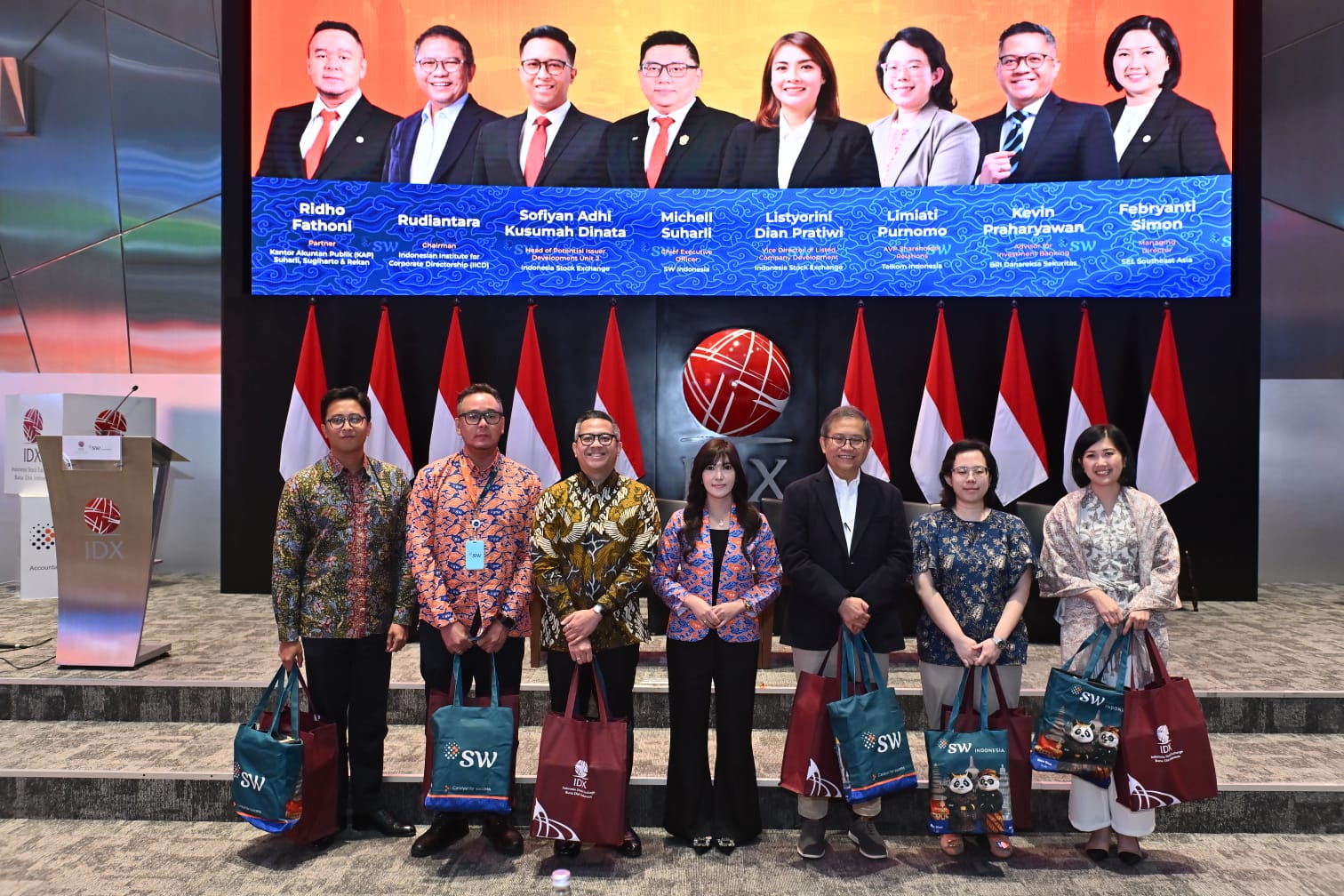
The Indonesia Stock Exchange Partners with SW Indonesia to Educate the Public on IPO Readiness

JAKARTA — Amid increasingly complex capital market dynamics and rising investor demands for transparency and corporate governance, education regarding readiness for an Initial Public Offering (IPO) is becoming increasingly important for the Indonesian business world. On this basis, the Indonesia Stock Exchange (IDX) has once again partnered with SW Indonesia in organizing a seminar titled … Read more

Bursa Efek Indonesia Gandeng SW Indonesia Edukasi Publik Kesiapan IPO

JAKARTA — Di tengah dinamika pasar modal yang semakin kompleks dan meningkatnya tuntutan investor terhadap transparansi serta tata kelola perusahaan, edukasi mengenai kesiapan menuju Initial Public Offering (IPO) menjadi semakin penting bagi dunia usaha Indonesia. Atas dasar itulah Bursa Efek Indonesia (BEI) kembali menggandeng SW Indonesia dalam penyelenggaraan seminar bertajuk IPO Readiness: Strengthen Investor Relations … Read more

Finance Company Sustainability

Sustainable finance portfolio strategy has become increasingly important for financing companies in managing long-term risks and maintaining competitiveness. Sustainability is no longer merely a reporting obligation, but a strategic approach to directing portfolio composition and financing decisions. Companies need to integrate ESG factors through portfolio mapping, classification, risk integration, and performance measurement. Global trends such … Read more

Nickel Mining Regulatory Framework

Nickel is a strategic global commodity driven by the growing demand for batteries and electric vehicles. Indonesia plays a key role as one of the leading producers in the global new energy supply chain. The government continues to strengthen the regulatory framework to support downstream development, investment, and resource sustainability. Nickel industry regulations cover mining, … Read more

Nickel Company Taxation Aspect

The rapid development of Indonesia’s nickel industry amid rising global demand for electric vehicles has encouraged the government to strengthen downstream industrialization policies and optimize state revenue. This article discusses taxation aspects within the nickel mining and refining industry, including Article 22 Income Tax, regional taxes, regional levies, and Mineral Reference Price (HMA) based Non-Tax … Read more

Nickel Industry Comparative Data

The transformation of Indonesia’s nickel industry through downstream industrialization has created an integrated industrial ecosystem that attracts large-scale global investment. As related-party transactions in the nickel mining and processing sector continue to increase, the need for transfer pricing analysis has become increasingly important. This article discusses the use of nickel industry comparative data as a … Read more

Nickel PBB P5L Treatment

PBB P5L is an important fiscal instrument in Indonesia’s mining and coal taxation system that contributes significantly to state revenue. The tax is imposed based on the Tax Object Sales Value (NJOP), which reflects the economic value of land, buildings, and underground resources in mining activities. NJOP determination involves various methods considering land area, investment … Read more

Nickle Financial Statements: Navigating Audit Risk

Indonesia’s nickel industry plays an increasingly strategic role in supporting the global energy transition and the development of the electric vehicle supply chain. The sector offers significant investment opportunities while facing complex audit risks, including revenue recognition, inventory valuation, project capitalization, asset impairment, and going-concern assessments. These challenges are driven by commodity price volatility, substantial … Read more